

Firemongery: The unsung guardian of building safety
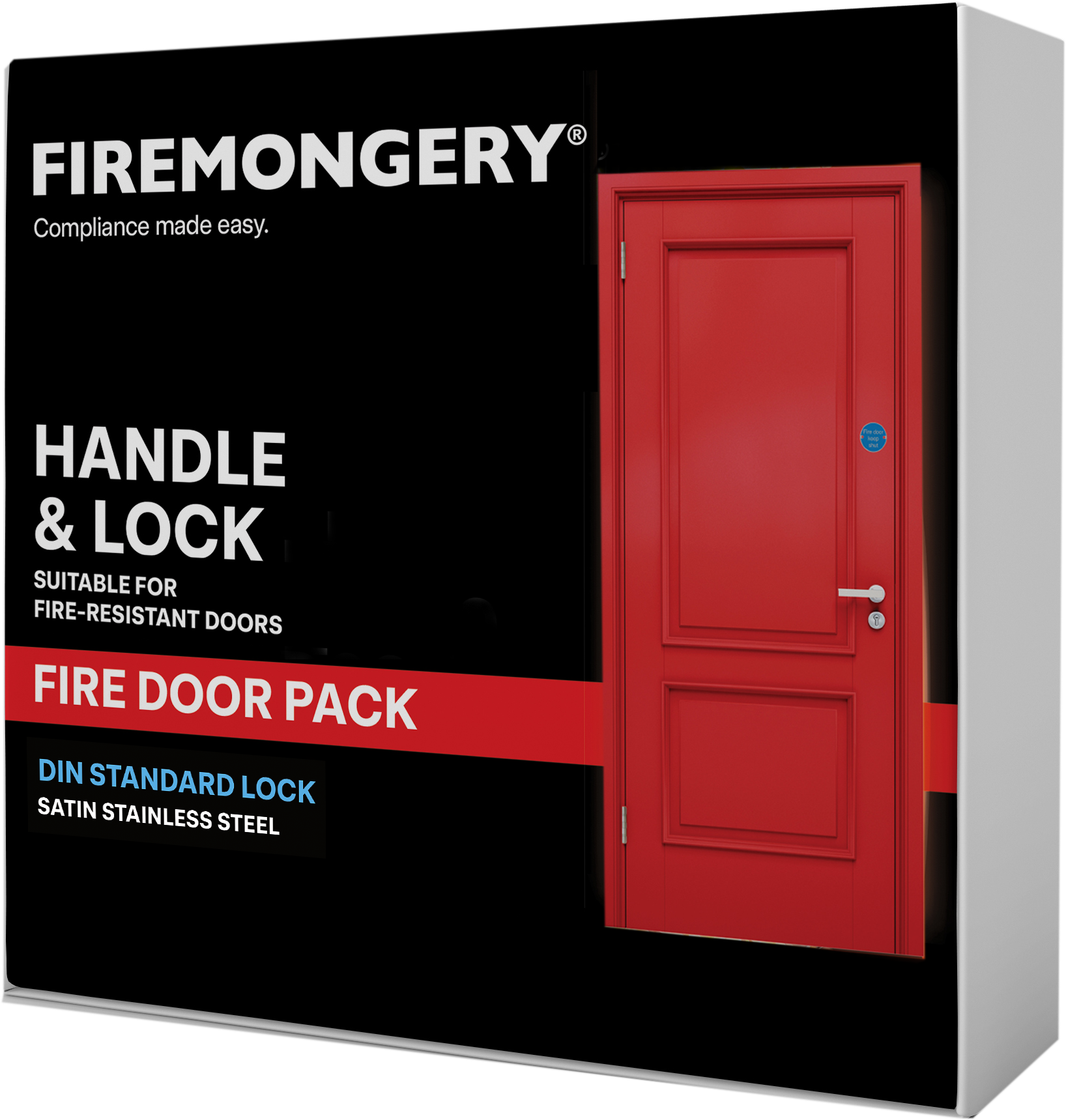
Elliott Dawson, National Accounts Manager at UAP, explains why firemongery is more than a finishing touch. With scrutiny and regulations tightening, he argues that specification, installation and maintenance need to be treated as seriously as the doors themselves because firemongery is frontline safety.
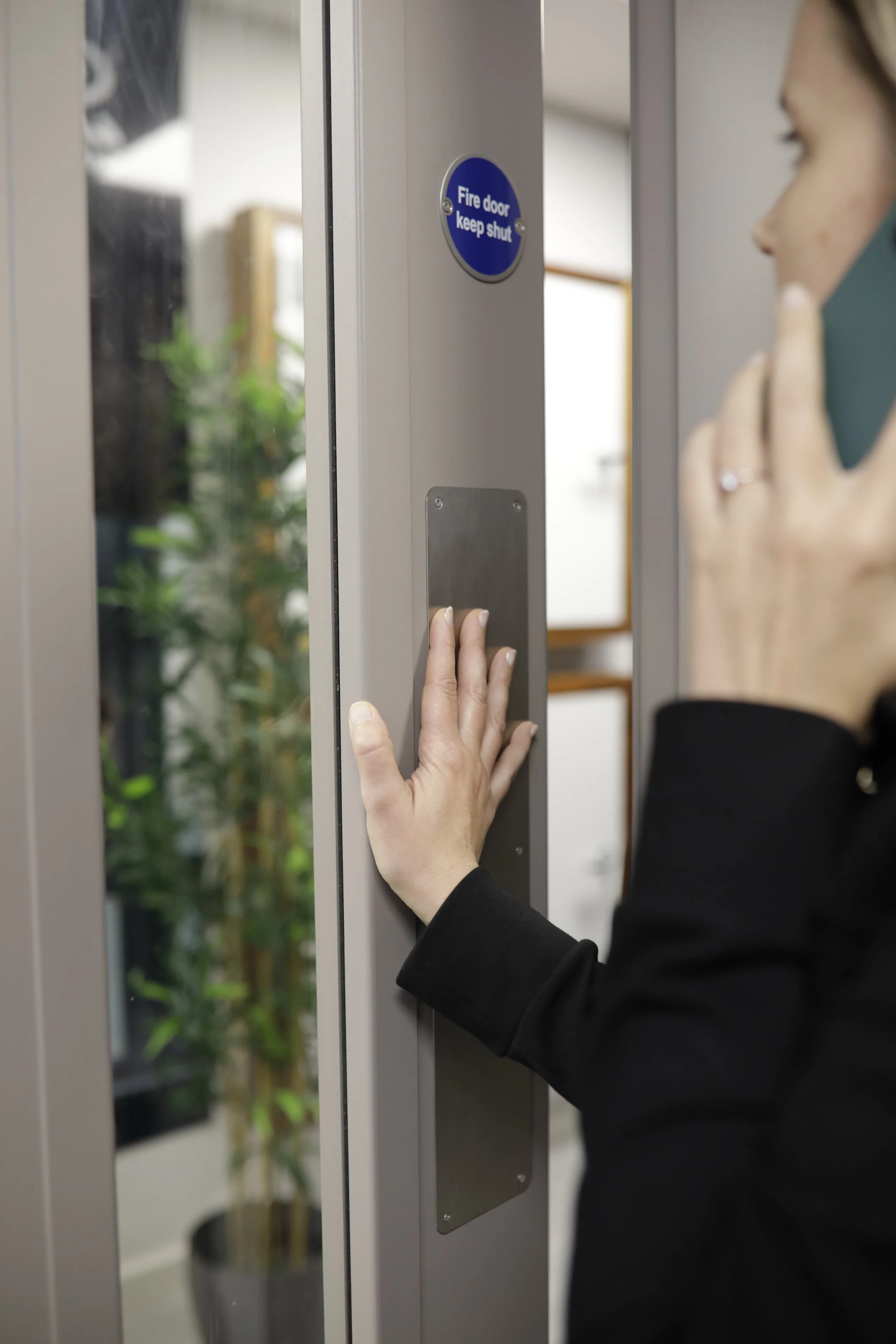
Firemongery rarely makes the headlines. Hinges, closers, latches and seals quietly do their work while the industry debates cladding, alarms and evacuation strategy. When a fire happens, it is often these small components that determine whether a building performs as designed by buying time, containing smoke and keeping escape routes clear.
Firemongery is the link between a tested fire door and real-world use. People do not use a fire door, they use a handle, a latch or a closer. If these components are mis-specified, poorly installed or allowed to drift out of adjustment, even the strongest door cannot do its job. Failures are rarely dramatic, but they build up over time. A closer may be disconnected for convenience, a latch replaced with something smoother but incompatible, a hinge may loosen and a seal can be painted over. Each decision may seem minor, yet together they erode the door's ability to resist fire and smoke and often only become apparent when it is too late.
Thinking about the door as a system
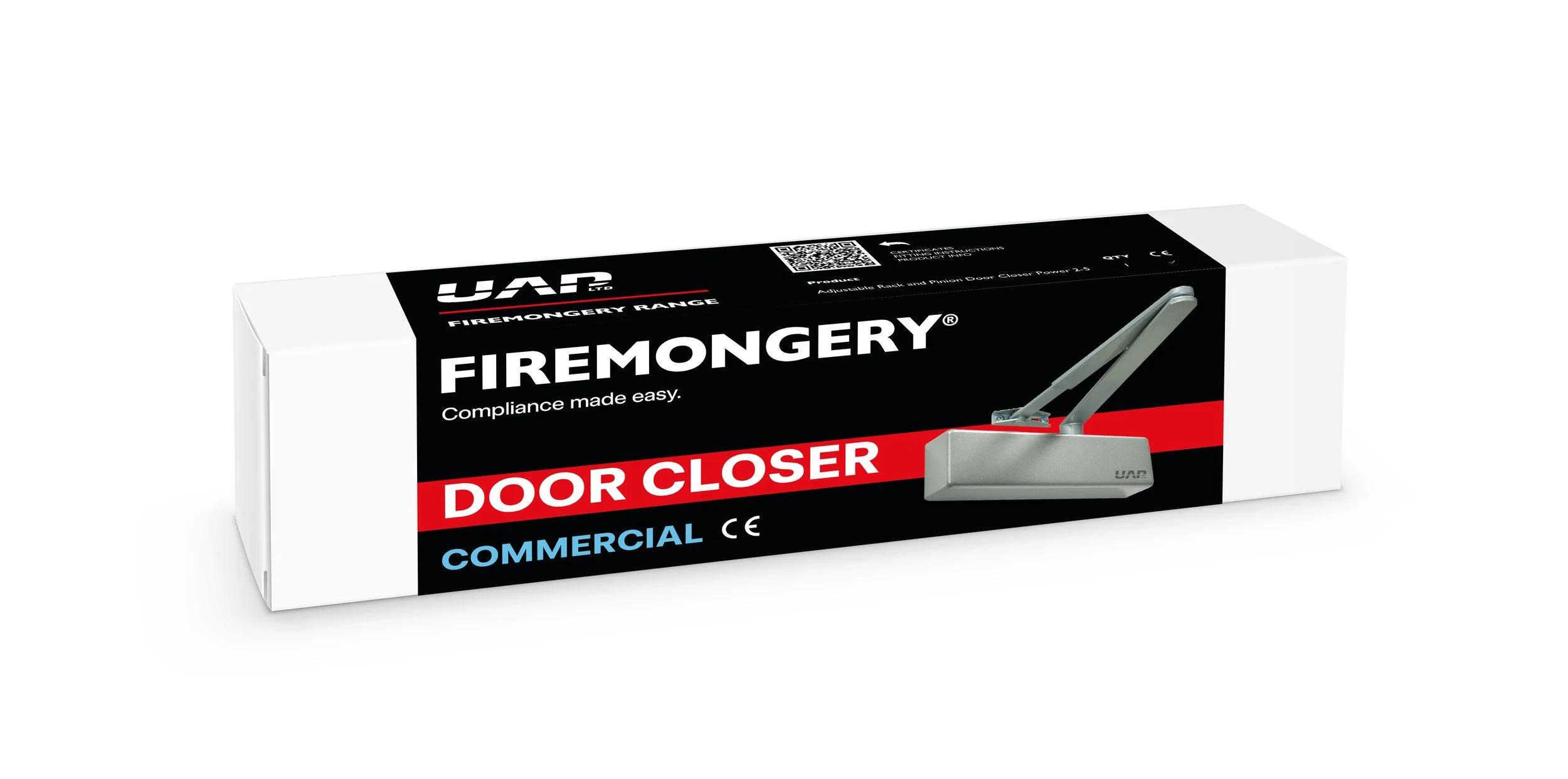
A fire door is more than a slab of wood or metal. Its frame, glazing, seals, signage and hardware all need to match the test evidence, but hardware is where this thinking often falls apart. Handles wear, closers are adjusted, cylinders are replaced and components are swapped. Without clear discipline, a doorset can appear correct but no longer reflect what was tested.
The challenge for 2026 and beyond is making system integrity practical by designing out ambiguity at the specification stage, setting clear installation standards and keeping maintenance routines simple enough to actually happen without compromising safety.
Specification and installation matters
Good firemongery starts at specification. Hardware must be proven for the intended fire rating and door configuration, and equivalent appearance or cost is not enough. Specifiers need to understand the door's certification route, the evidence supporting the hardware and whether it is suited to the expected usage and maintenance requirements. The cost of specifying correctly is small compared with the expense of remediation, disruption and reputational damage when failures are discovered.
Even the right products can fail if installed poorly. Misaligned keeps, under-fixed hinges, incorrect intumescent packs and missing components all affect performance in everyday use and in a fire. Competence must go beyond a certificate. Installers need to understand why every detail matters, and firemongery should be treated as a critical trade discipline that is measured, checked, signed off and auditable.
Maintenance wins or loses safety
Buildings evolve, users change and doors get knocked about. Inspection and maintenance are not just admin, they are part of the fire strategy. Facilities teams need clear routines, access to the right parts and the confidence to challenge quick fixes that bypass test evidence. Firemongery should be treated like any life safety asset, monitored, documented and repaired properly.
Recognition is overdue

Firemongery is not about ticking boxes. It ensures the fire doors we rely on every day actually work when it matters. The industry has made real progress in raising awareness of fire doors, and now it is time to raise the bar on the components that make them function. Hinges, latches, closers and seals are the unsung guardians of building safety, and they deserve recognition. With the insight and experience UAP brings to the sector, the industry has the guidance it needs to get this right, and it is time we start treating these components like they matter.